
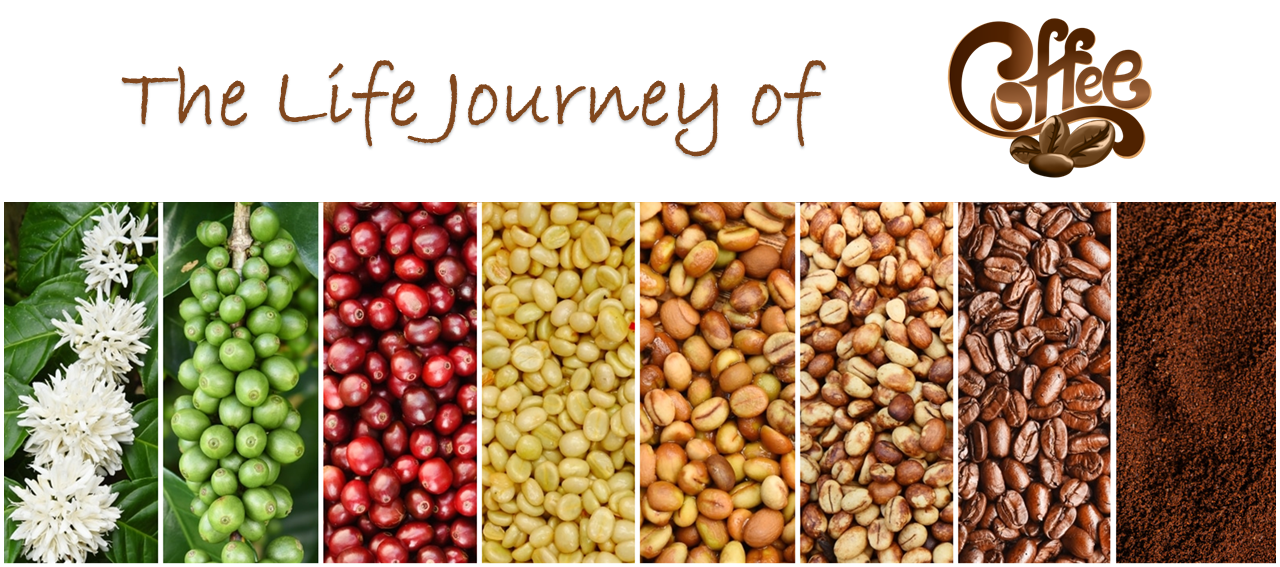
Global market share in coffee cultivation?
As of recent data, the global coffee production is approximately 10.8 million tonnes per year. This includes both Arabica and Robusta varieties of coffee, which are the two main types grown worldwide. As of recent data, the global coffee market is divided among several key producers:
- Brazil is the largest coffee producer, contributing about 29% of the world’s total coffee production.
- Vietnam follows with approximately 18% of global coffee production.
- Other significant producers include Indonesia (7%), Colombia (6%), and India, which accounts for around 3.3% of global coffee production.
Arrival of coffee in India.
Coffee was first introduced to India by Baba Budan in the 17th century. He was a Muslim pilgrim who travelled to Mecca and smuggled coffee seeds from Yemen, where coffee was being grown. On his return to India, he planted the coffee seeds in the Chikmagalur region of Karnataka. This marked the beginning of coffee cultivation in India. Today, Karnataka, along with Kerala and Tamil Nadu, is one of the primary coffee-producing regions in the country.
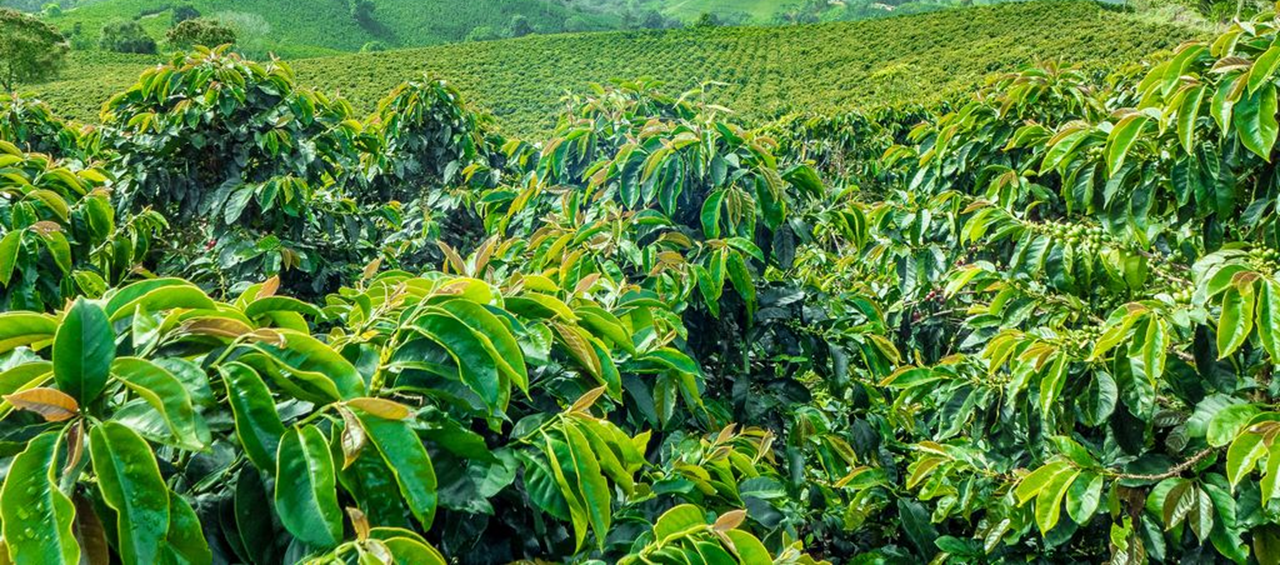
State-wise Share of Coffee Cultivation in India
Coffee cultivation in India is predominantly concentrated in the southern states, with Karnataka leading the production. Here’s a breakdown of the major coffee-producing states:
- Karnataka: Dominates coffee cultivation, accounting for approximately 71% of India’s total coffee production. The state is renowned for its Arabica and Robusta varieties, with regions like Chikmagalur, Coorg, and Hassan being prominent coffee-growing areas.
- Kerala: Contributes around 21% to India’s coffee production. The state’s coffee is primarily Robusta, with notable cultivation in districts such as Wayanad, Idukki, and Palakkad.
- Tamil Nadu: Accounts for about 5% of the country’s coffee output. The Nilgiri Hills, Yercaud, Kodaikanal, and Shevaroy Hills are key coffee-growing regions, producing both Arabica and Robusta varieties.
- Andhra Pradesh: Emerging as a significant coffee producer, especially in the Araku Valley, though its share is still under 2%.
- Odisha: Contributes around 2% to India’s coffee production, with Koraput being a notable coffee-growing area.
- Assam, Manipur, Meghalaya, Mizoram, Tripura, Nagaland, and Arunachal Pradesh: Collectively known as the “Seven Sister States,” these northeastern states are gradually increasing their coffee cultivation, though their combined share remains relatively small.
How many people drink coffee in the world?
While the exact number of people who drink coffee worldwide is not readily available, coffee is one of the most consumed beverages globally. It is estimated that billions of people drink coffee every day, and major coffee chains like Starbucks serve millions of customers around the world. The popularity of coffee continues to rise, and it is one of the top beverages consumed after water.
How many people drink coffee in India?
In India, coffee consumption has been increasing steadily. Although exact statistics are hard to find, it is known that a large number of people in India enjoy coffee daily. Many people start their day with coffee, particularly in South India, where coffee culture is strong. The consumption of coffee is growing, particularly in urban areas, and coffee chains like Starbucks and Café Coffee Day have contributed to this rise in popularity.
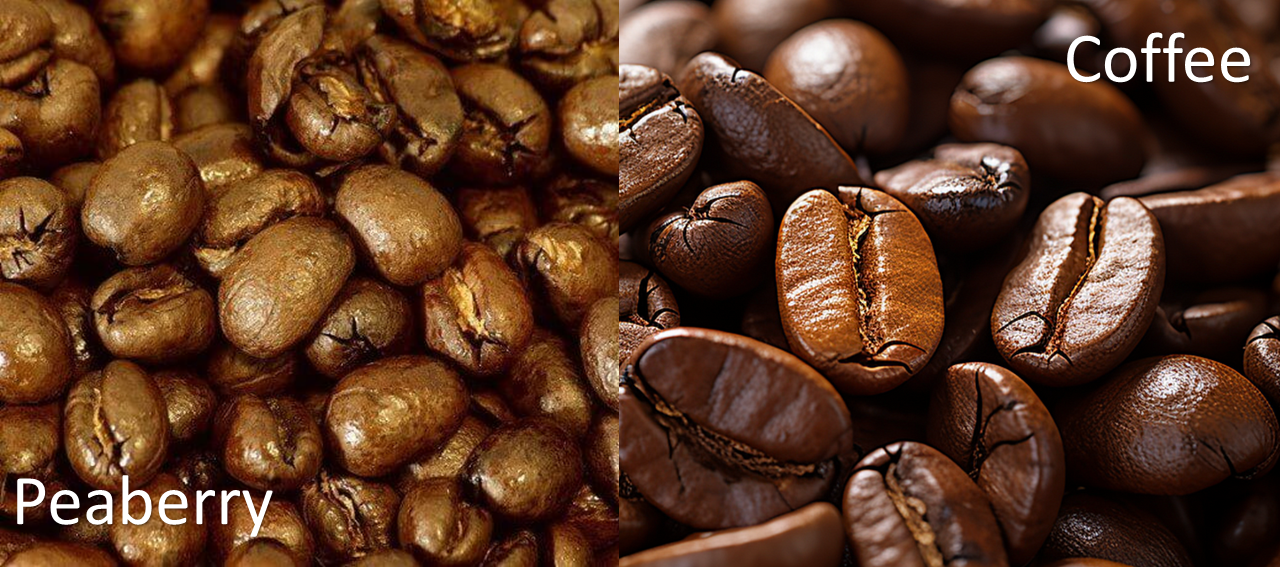
Difference Between Coffee and Peaberry
- General Definition:
- Coffee refers to the beverage made from roasted coffee beans, which are typically the seeds from the coffee cherries of the coffee plant.
- Peaberry is a type of coffee bean that forms when only one of the two beans inside the coffee cherry develops, leading to a single, rounder, and denser bean. This results in a unique flavor profile.
- Bean Formation:
- In regular coffee cherries, two beans develop with flat sides facing each other.
- In a peaberry cherry, only one bean forms, making the bean more compact and rounded in shape. It is considered a rare occurrence and makes up only around 5-10% of total coffee production.
- Flavor Profile:
- Regular coffee beans vary in flavor based on the region and processing methods, but they generally have a balanced, more standard coffee taste.
- Peaberry coffee tends to have a more intense, complex, and rich flavor. It is often described as being brighter and more vibrant than regular coffee beans.
- Production:
- Regular coffee is produced in much larger quantities, accounting for around 90-95% of the world’s coffee production.
- Peaberry coffee is a rare variation and is produced in small amounts, around 5-10% of global coffee production, making it more expensive and sought after by coffee enthusiasts.
- Cost:
- Regular coffee is typically less expensive due to its larger availability and easier production.
- Peaberry coffee is considered a premium product, and its rarity and distinct flavor contribute to its higher price.
Where Does Peaberry Coffee Come From?
The quick answer is Peaberries can come from anywhere! Any coffee cherry has the chance to turn into a Peaberry. Remember, it’s just a little genetic change. You can find more Peaberries in countries like Brazil, Kenya, Colombia, Ethiopia, and Tanzania, among others.
Usually, plantations find Peaberries when they’re getting the coffee ready for roasting. But here’s the deal: some countries end up with more Peaberries not because of where they are, but because they make a lot of coffee and are really good at sorting out the Peaberries during the roasting process.
Speaking of sorting, that’s usually a job for humans. Nothing beats our eyes for finding those Peaberries in the midst of thousands of regular coffee beans.
And here’s the kicker: because Peaberries are kind of rare (remember 5-10 percent chance) and it takes human effort to sort them out, that’s why they often cost more.
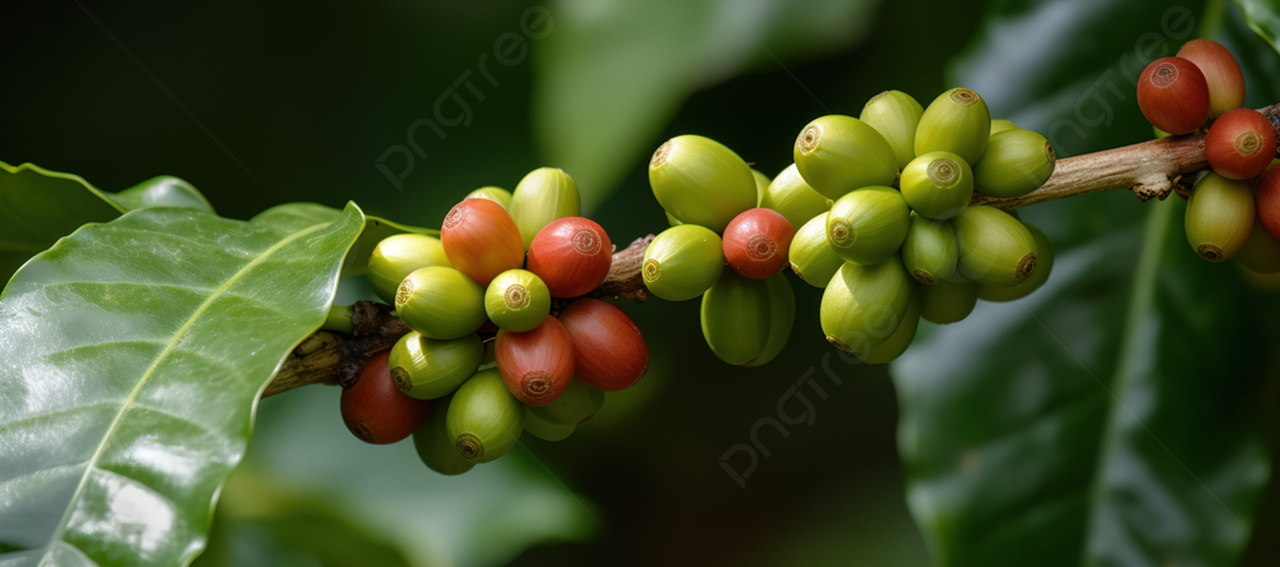
Why Is Peaberry So Expensive?
In the world of coffee connoisseurs, peaberry coffee holds a special place of reverence. These rare and sought-after beans have captured the hearts and palates of many, but their exclusivity comes at a premium. In this section, we delve into the fascinating reasons behind the high price tag of peaberry coffee.
- Natural Rarity
Peaberries are not your typical coffee beans. While regular coffee cherries contain two flat-sided beans, peaberries are the result of a genetic anomaly, where only one seed develops inside the cherry. This natural rarity means that only about 5% of coffee beans harvested worldwide are peaberries. The scarcity alone drives up their cost. - Hand Selection
Producing peaberry coffee involves meticulous hand sorting. After the harvest, each cherry must be carefully examined to identify and separate the peaberries from the regular beans. This labor-intensive process significantly increases production costs, making peaberry coffee more expensive right from the start. - Unique Flavor Profile
Peaberries are renowned for their distinct flavor profile, characterized by bright acidity, a smooth body, and vibrant fruity notes. The concentrated flavors and the perception of superior taste justify the premium price for those seeking a truly exceptional coffee experience. - Small Yields
Peaberry plants yield fewer cherries compared to their standard bean counterparts. This reduced harvest size, combined with the labor-intensive handling, results in lower overall production, which further escalates the cost per pound. - Limited Growing Regions
Peaberries thrive in specific coffee-growing regions, such as Tanzania, Kenya, and some parts of Central and South America. Their cultivation is often limited to high-altitude, specialty coffee farms, where factors like soil quality, climate, and altitude contribute to their unique flavor. This geographical exclusivity adds to the overall expense.
What is Peaberry mix in coffee?
Peaberry refers to a special type of coffee bean. Normally, a coffee cherry contains two beans, but in the case of peaberry coffee, only one bean develops inside the cherry. This single bean tends to be rounder and denser than regular beans, and it is often considered to have a richer flavor.
Peaberry mix is a blend where peaberry beans are mixed with regular coffee beans to create a unique coffee experience. The peaberry beans contribute a distinct flavor profile, which can add complexity to the overall taste of the coffee.
Is there any standard fixed in India for mixing Peaberry with coffee?
There is no official standard in India for mixing Peaberry beans with regular coffee beans. However, many coffee producers and roasters use their own preferences when blending peaberry with other types of beans. The proportion of peaberry in the mix can vary, but typically, it might be around 20%-50%. The goal is to combine the unique flavor of peaberry with the other beans to enhance the overall taste profile.
Difference between Pure Coffee and Peaberry Mixed Coffee
Pure Coffee:
- Pure coffee refers to coffee made using regular coffee beans, which are typically a pair of beans inside each coffee cherry. These beans are flat on one side and round on the other. The flavor is standard depending on the variety of beans used.
- It’s the typical coffee you’ll find in most coffee brands and cafes, without any special mixing or blending with peaberry beans.
Peaberry Mixed Coffee:
- Peaberry coffee is made using peaberry beans, which occur when only one of the two beans inside the coffee cherry develops. This results in a rounder and denser bean. Peaberry beans are considered to have a more intense and unique flavor.
- Peaberry mixed coffee refers to a blend of peaberry beans and regular coffee beans. The peaberry adds a distinct flavor profile that can enhance the overall taste, making it richer and more complex.

Will drinking coffee reduce sugar levels?
Drinking coffee does not directly reduce blood sugar levels. However, there are some indirect effects that could influence sugar levels:
- Some studies suggest that coffee can improve insulin sensitivity, which may help the body regulate sugar better.
- Coffee can enhance metabolism and increase fat burning, which can potentially aid in maintaining stable blood sugar levels.
- Moderate coffee consumption may support overall metabolic health, which could benefit those with Type 2 diabetes.
However, it’s important to note that coffee should not be used as a treatment for blood sugar control. Always consult with a healthcare professional for advice on managing blood sugar levels.
How much coffee can be drunk in a day?
The general recommendation for coffee consumption is to limit caffeine intake to 400 mg per day, which is roughly equivalent to 3-4 cups of coffee (depending on the strength of the coffee). Consuming more than this can lead to side effects like headaches, insomnia, or nervousness.
It’s also essential to drink coffee at appropriate times—morning or afternoon is ideal, but drinking it too late in the evening can interfere with sleep. Everyone’s tolerance to caffeine varies, so it’s important to pay attention to how your body reacts and adjust accordingly.
Which is better, coffee or tea?
Both coffee and tea offer unique benefits, and the answer depends on individual preferences and health needs. Here’s a comparison:
- Caffeine Content:
- Coffee contains a higher amount of caffeine (around 95 mg per cup), which makes it more energizing and boosts focus.
- Tea contains less caffeine (around 30-50 mg per cup) and is generally gentler on the system.
- Health Benefits:
- Coffee can improve metabolism and insulin sensitivity, but excessive consumption may cause anxiety or digestive issues.
- Tea is known for its antioxidants and is great for heart health and lowering cholesterol. It’s also calming and promotes better sleep.
- Body and Mind Effects:
- Coffee helps increase energy levels, mental focus, and alertness.
- Tea has a more calming and relaxing effect, making it ideal for winding down.
- Health Risks:
- Coffee in large quantities can cause insomnia, headaches, and digestive discomfort.
- Tea generally has fewer risks and is gentler on the body.
Conclusion: If you’re looking for an energy boost and mental focus, coffee may be the better choice. If you prefer a soothing, relaxing experience, tea may be more suitable. Both beverages offer distinct advantages depending on your needs.

What is Chicory Mixed in Coffee?
Chicory is a plant whose root is often roasted and ground to be mixed with coffee. It has a slightly bitter, woody, and nutty flavor, which blends well with the richness of coffee. When mixed with coffee, chicory enhances the flavor profile, providing a more robust, full-bodied taste.
In many parts of the world, especially in India, chicory is commonly used in coffee, particularly in South Indian filter coffee. The typical mix ratio is around 20%-30% chicory with 70%-80% coffee beans. Chicory not only adds flavor but also makes the coffee appear thicker and adds a smoothness that is appreciated by many.
Chicory mixed coffee is also believed to have some potential health benefits, such as aiding digestion and providing antioxidants.
Is Chicory Good for Health?
Yes, chicory is considered good for health when consumed in moderation. It offers several potential health benefits:
- Aids Digestion – Chicory root contains inulin, a type of prebiotic fiber that supports gut health and helps with digestion.
- Reduces Inflammation – It has anti-inflammatory properties that may help reduce pain and swelling.
- Supports Heart Health – Chicory may help lower bad cholesterol (LDL) and improve heart function.
- Regulates Blood Sugar – Inulin in chicory helps slow down the absorption of sugar, making it beneficial for people with diabetes.
- Caffeine-Free Alternative – Chicory does not contain caffeine, making it a good option for those looking to reduce caffeine intake.
Side Effects:
- Excessive consumption may cause bloating or gas due to its high fiber content.
- Some people may be allergic to chicory, especially those allergic to ragweed or similar plants.